Car Care
Before a long drive: a practical vehicle and journey checklist
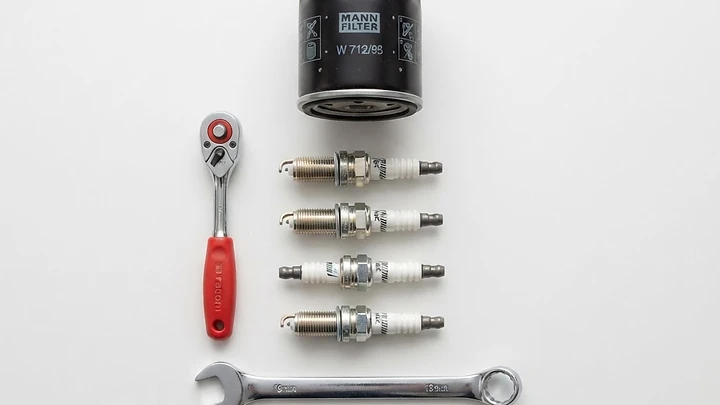
What to check a week before departure, what to pack, and which warning signs mean the journey should wait.
A long-distance trip is easier to prepare for when you separate jobs that need a workshop from checks you can do before leaving. Finding a problem on the morning of departure leaves little time to repair it properly.
This guide is a planning aid, not a roadworthiness certificate. If a fault affects braking, steering, tyres or safe visibility, arrange an inspection before travelling.
A week before: give yourself time to fix things
Check whether servicing will fall due before or during the journey. If work is needed, book it early enough to allow for parts, repairs and a follow-up if something still feels wrong.
Tell the workshop about your route and load: several passengers, luggage, a trailer or a caravan can change what needs checking. Explain any recent warning lamps, fluid loss, pulling under braking or unusual starting behaviour.
The AA's road-trip preparation guide highlights tyres, brakes, fluids, lights, wipers and the battery. Use those categories to organise the inspection instead of asking only for a vague “quick check”.
1. Tyres, spare and puncture equipment
Inspect the visible tread and sidewalls for damage or uneven wear. Have a tyre professional assess bulges, deep cuts, exposed material or wear you cannot explain. A tyre that repeatedly loses pressure needs attention even if reinflating it temporarily solves the warning.
Set pressures using the vehicle's placard or handbook, following its cold-tyre instructions and loaded-vehicle recommendations. Include the spare if fitted. The AA's tyre guide explains the importance of pressure appropriate to the vehicle's load.
Check what your car actually carries: a full-size spare, space-saver or repair kit. Find the locking-wheel-nut key and confirm that the necessary tools are present. Repair kits and temporary spare wheels have limitations; read yours before you need it.
Do not plan to change a wheel in a live traffic lane or another unsafe position. Roadside assistance is the better option when the location or conditions make working beside the vehicle dangerous.
2. Fluids and visible leaks
Follow the handbook to check oil, coolant and washer fluid. Use the correct specification; choosing only by colour or brand name is not enough. Never remove a coolant cap while the system is hot.
If a level repeatedly falls, have the cause investigated. Carrying extra fluid should not become a way to postpone repairing a leak. Note any new marks under the car and mention them to the workshop.
For vehicles with electronic oil-level checks, use the specified procedure. Do not assume a dipstick or reservoir can be checked in the same way as on a previous car.
3. Brakes, steering and battery
Take new braking noises, an unusually soft pedal, pulling or a change in stopping behaviour seriously. Steering vibration or a car that feels unstable also deserves inspection before a highway journey.
If the starter has recently turned more slowly or the car has needed a jump-start, request a battery and charging-system check. Replacing the battery without investigating the cause may not resolve the problem.
A short, normal local drive after maintenance can reveal an unresolved symptom. It is not a substitute for a professional safety inspection, and you should not test braking limits on public roads.
4. Lights and visibility
Ask someone to help check the brake lights and indicators. Check headlights, hazards and reversing lights too. Clean the windscreen inside and outside, along with mirrors and light lenses.
Replace wipers that leave significant streaks and make sure the washer jets reach the glass. A screen that seems acceptable in daylight can become much harder to see through in rain or oncoming headlights.
Keep luggage below the level at which it obstructs your view. Secure loose items so they cannot move around the cabin.
5. Load, route and driver readiness
Check the vehicle's limits before loading, particularly when towing or using a roof carrier. A boot that closes is not proof that the load is within the vehicle's permitted capacity.
Plan fuel or charging stops and regular rest breaks. Share the route and an expected arrival window with someone you trust. Leave enough time that a delay does not create pressure to drive tired or rush.
Keep a charged phone, a charging cable, water, a torch and essential medication accessible. Save your insurer's or roadside provider's assistance number before travelling. Do not rely entirely on mobile reception for route information.
The morning you leave
Do a final walkaround for a visibly flat tyre, new leak or something left under the car. Confirm that the windows are clear, luggage is secure and the planned driver can see properly in the mirrors.
Check fuel or charge level, destination details and the first planned stop. Allow time to respond to a dashboard warning rather than treating it as an inconvenience to dismiss.
If a warning appears on the road
Follow the vehicle's instructions and stop somewhere safe when necessary. Use the handbook to identify the symbol, and contact assistance if you are unsure. Do not open a hot cooling system or continue driving through an overheating or oil-pressure warning.
When calling for help, give your road, direction of travel and nearest safe landmark. Stay away from moving traffic and follow the assistance provider's guidance.
After the trip, record any new symptoms and schedule follow-up work. Our maintenance routine can help you keep that record useful.
Reviewed 10 September 2026. Adapt this checklist to your vehicle and route; it cannot diagnose faults or certify roadworthiness.
Have a question about a vehicle or the finance process?
Speak to C4 Cars