Car Care
Car maintenance made practical: a routine for used-car owners
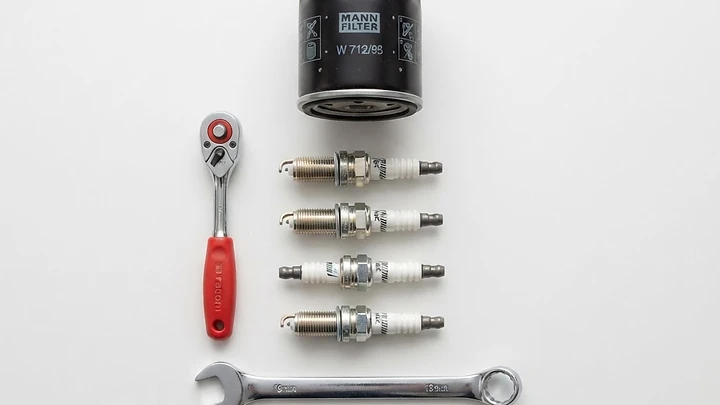
Build a useful maintenance record, understand service intervals, spot problems early and know what to ask a workshop.
A good maintenance routine starts with knowing your particular car. Two vehicles of the same age can need different work because their engines, mileage, service history and driving conditions differ. Use this guide to organise your checks and workshop conversations, then follow the owner's handbook for the actual procedures and intervals.
Start by building a maintenance file
Keep the service book, invoices and inspection reports together. A stamp shows that a visit happened; an itemised invoice explains what was actually done. Record the date, mileage, parts fitted, fluid specifications and the workshop's recommendations.
If you have recently bought a used car, make a short list of unanswered questions. When was it last serviced? Is the next service due by date or distance? Is there evidence of a timing-belt replacement if the engine uses one? What does the manufacturer require for the transmission? Ask for evidence rather than assuming that a clean engine bay means the work is current.
Missing history does not automatically mean everything must be replaced. Ask a qualified workshop to establish a baseline and prioritise work. Before buying, request the available service records for the specific vehicle.
Use both the calendar and the odometer
Some service schedules use a time limit as well as a distance limit, with the earlier one determining the next visit. A low-mileage car can still become due for servicing. Short journeys, dust, towing and other operating conditions may also affect the applicable schedule.
Put the next due date and mileage in your diary after each service. Your own monthly check is a useful reminder, but it is not a substitute for the manufacturer's schedule.
For an example of the kinds of checks manufacturers specify, see Ford's between-service guidance. Always use the instructions for your own make and model.
A simple monthly walkaround
Choose a regular reminder, such as the first weekend of the month. With the car safely parked, look for changes:
- Tyres: inspect for visible cuts, bulges and uneven wear. Check pressures against the vehicle's placard for the load you carry, including the spare where fitted. Do not use the maximum pressure printed on the tyre sidewall as your everyday target.
- Lights and visibility: check indicators, headlights, brake lights and hazards. Make sure the washers work and the wipers clear the screen.
- Fluids: follow the handbook's procedure for checking oil, coolant and other owner-serviceable reservoirs. Use the specified product and avoid overfilling. Never open a hot cooling system.
- Leaks: note new marks where you park. The location, colour and whether the marks recur can help a workshop investigate.
- Starting and driving: notice slower starting, a new vibration, unusual noises or a change in braking.
If a check is unfamiliar or a reservoir is not clearly identified, ask the workshop to show you. Do not remove covers or work around moving belts, hot components or high-voltage equipment.
The AA's tyre-safety advice explains why pressure, condition and load deserve regular attention.
Know when a routine check becomes urgent
A warning lamp should be interpreted using the handbook; colour alone is not a diagnosis. Oil-pressure, overheating or brake warnings can require immediate action. A new loss of braking, severe vibration, smoke or a strong fuel smell is a reason to stop safely and arrange help rather than continue experimenting.
Do not keep driving simply because the next service is already booked. Ford's warning-light guide illustrates why different symbols require different responses. The exact instructions vary by vehicle.
Get a useful workshop quotation
Before authorising work, ask for an itemised estimate and separate the scheduled service from additional repairs. Useful questions include:
- What is due now, and which recommendation is preventative?
- What evidence supports the repair: a leak, measurement, fault code or worn component?
- Which parts and fluid specifications will be used?
- Does the estimate include labour, consumables and tax?
- Will you contact me before doing work beyond the agreed amount?
- What should I monitor afterwards, and when is the next service due?
Describe symptoms precisely. “The steering vibrates between 90 and 100 km/h” gives a technician more to investigate than “the car feels wrong”. Do not recreate an unsafe condition just to gather information.
Turn irregular costs into a monthly plan
Keep servicing and wear items separate from fuel and insurance in your budget. For example, if your own written estimates suggest R9,600 of planned maintenance over the next year, setting aside R800 a month would cover that estimate. This is budgeting arithmetic, not a forecast of what your car will cost.
Leave room for unexpected repairs. A warranty, service plan and maintenance plan can cover different things, so read the actual terms before assuming that tyres, brakes or a fault are included.
Before your next long drive, use our pre-trip checklist. If you are considering a vehicle from C4 Cars, ask the team for its available history and inspection information.
Reviewed 10 September 2026. General owner guidance; the vehicle handbook and a qualified diagnosis take priority.
Have a question about a vehicle or the finance process?
Speak to C4 Cars